The global book fair circuit returns
Rights deals are being signed in person again, and African publishers are arriving with stronger catalogues.
By GLIT Editorial • 08 Aug 2026 • 5 min read
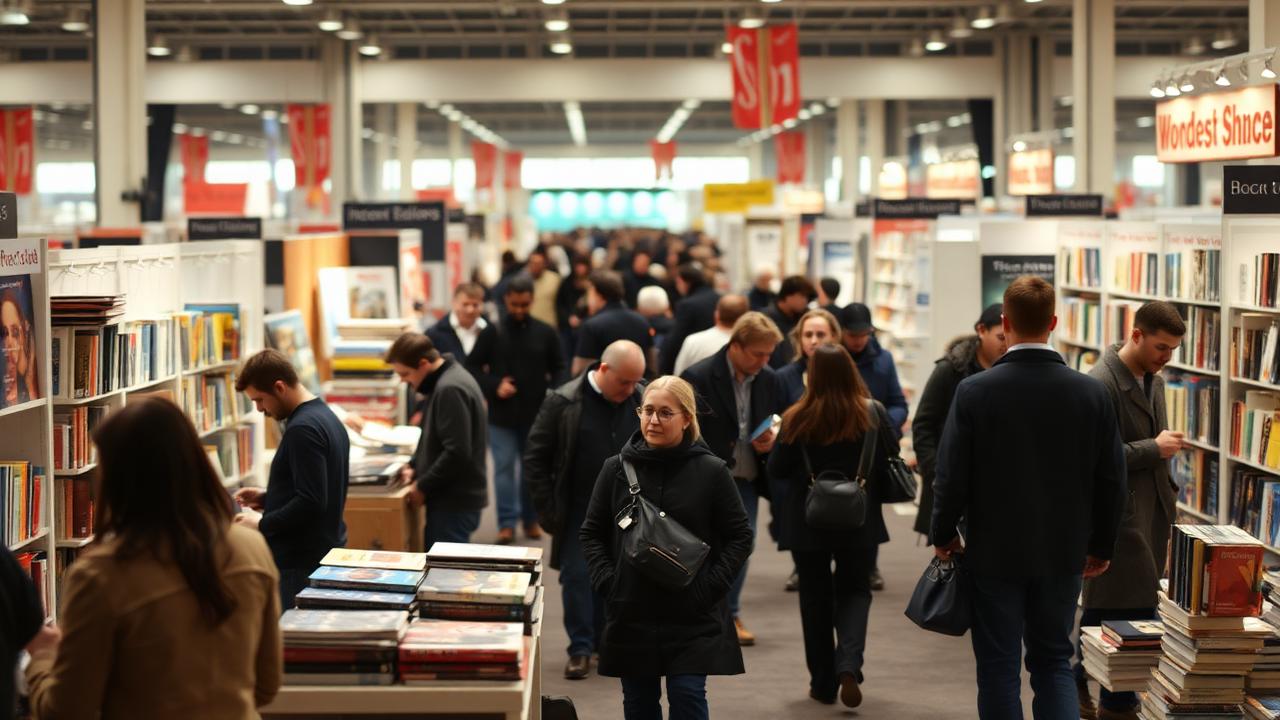
The international book fair calendar has fully reassembled itself after several disrupted years, and African publishers, agents and self-published authors are once again weighing whether the cost of attending Lagos, Nairobi, Frankfurt or Sharjah in person is worth it against simply following the deals from home. The honest answer is that it depends heavily on what a seller is trying to achieve, because these fairs are not interchangeable events. Each has developed its own character and its own gravitational pull within the publishing world, and preparing for one the way you would prepare for another is one of the more common ways attendees waste both money and time.
The Lagos Book and Art Festival and similar Nigerian fairs function primarily as domestic discovery and networking events, valuable for building relationships with local distributors, bookshops and fellow authors rather than for closing international rights deals. Attending with a stack of printed catalogues and a willingness to have unhurried conversations tends to produce more value than arriving with a rigid pitch schedule. Nairobi's fair scene occupies similar territory for East Africa, useful for regional distribution conversations and increasingly a venue where Kenyan, Ugandan and Tanzanian publishers compare notes on cross-border sales, which remain more complicated within Africa than many outsiders assume.
Frankfurt is a different animal entirely, and treating it like a larger version of a domestic fair is a mistake that costs first-time attendees dearly. It is the world's largest rights-trading marketplace, run on a schedule of pre-booked meetings often arranged months in advance, where publishers, agents and scouts move through back-to-back fifteen or thirty minute appointments. Turning up without appointments already secured means spending days in a hall in Germany while the actual business happens in booths and cafés between people who scheduled everything before they boarded their flights. Preparation for Frankfurt has to begin long before departure, not on arrival.
Sharjah's book fair has grown into one of the most significant events for reaching Arabic-language markets and Gulf distribution networks, and it has increasingly courted African publishers directly, offering a route into readerships that many African sellers have historically had little access to. For a publisher with titles that might interest Arabic translation markets, or with existing relationships in Gulf countries, Sharjah can open doors that Frankfurt, dominated by European and North American deal-making, simply does not. Its scale and hospitality-driven format also make it more approachable for a first-time international attendee than the more transactional atmosphere of Frankfurt.
Selling rights, whether translation, foreign-territory print, or audio, requires groundwork that most sellers should complete before they ever board a flight. This means having a clean, professionally formatted rights catalogue, a clear note on which rights are already sold or reserved for each title, and sample chapters or full manuscripts ready to send within hours rather than weeks of a request. Publishers and scouts meeting dozens of people a day will not wait around for materials; an interested party who does not receive a follow-up promptly within the fair week will simply move on to the next conversation in their schedule.
African publishers preparing for any of these fairs should also think carefully about which titles they lead with. A fair pitch is not the moment to present an entire back catalogue; it is the moment to identify two or three titles with genuinely strong international potential — often those already selling well domestically, since evidence of an existing readership de-risks a foreign publisher's decision — and prepare a tight, specific case for each. Vague enthusiasm about "African stories" interests almost no one at Frankfurt; specific sales figures, comparable titles and a clear sense of the intended foreign readership interest almost everyone.
Hybrid attendance has become a genuine option at most of these fairs, allowing publishers to join scheduled video meetings, attend digital seminars, or access rights catalogues online without paying for flights, visas and accommodation. For a smaller GLIT-based publisher testing whether international rights sales are worth pursuing at all, a hybrid pass is a sensible way to learn the terrain before committing to the far larger expense of physical attendance. The trade-off is real, however: the informal corridor conversations, chance introductions and relationship-building that happen physically at these fairs rarely translate into the more scripted format of a video call booked through a fair's digital portal.
Visa logistics deserve specific mention for Nigerian and other African attendees, because Frankfurt in particular has historically involved a genuinely difficult Schengen visa process, with appointment availability and processing times that can derail travel plans booked without sufficient lead time. Publishers who have attended before generally recommend beginning visa applications the moment fair registration opens, rather than waiting until meetings are confirmed, since a rejected or delayed visa application cannot be reversed by having an urgent business case, however compelling the meeting schedule looks on paper.
The single biggest mistake sellers make across all four fairs is treating attendance as the outcome rather than the beginning of a longer process. A promising conversation with a foreign publisher at Frankfurt in October means little if it is not followed by a formal submission within the agreed timeframe, a signed non-disclosure agreement where required, and consistent, professional email contact over the following months while contracts are negotiated. Rights deals in international publishing typically take months to close from first conversation to signed agreement, and momentum built at a fair evaporates quickly without disciplined follow-up.
For GLIT sellers specifically, fair attendance and platform activity should reinforce each other rather than operate as separate efforts. A publisher who can point to consistent, verifiable domestic sales data from their GLIT storefront brings a stronger negotiating position to any fair conversation than one relying on anecdote, since foreign buyers increasingly want evidence of existing market traction before committing to a translation or foreign-print deal. Keeping sales and review data organised and easily shareable, well before a fair season begins, turns a platform track record into a genuine international sales asset.
Ultimately, the returning fair circuit represents a real opportunity for African publishers who have spent recent years focused inward on domestic digital sales, but it rewards preparation far more than enthusiasm. Sellers should choose fairs based on where their specific titles are likely to find buyers rather than attending every available event, prepare rights materials and pitches well in advance, decide deliberately between physical and hybrid attendance based on budget and goals, and treat every fair conversation as the start of a months-long follow-up process rather than a transaction completed on the exhibition floor.